How to produce PU dispensing products?
Understand the PU raw materials
Understanding the characteristics of PU raw materials helps us do our work better.
There are three types of PU glue: single-component, two-component and PUR.
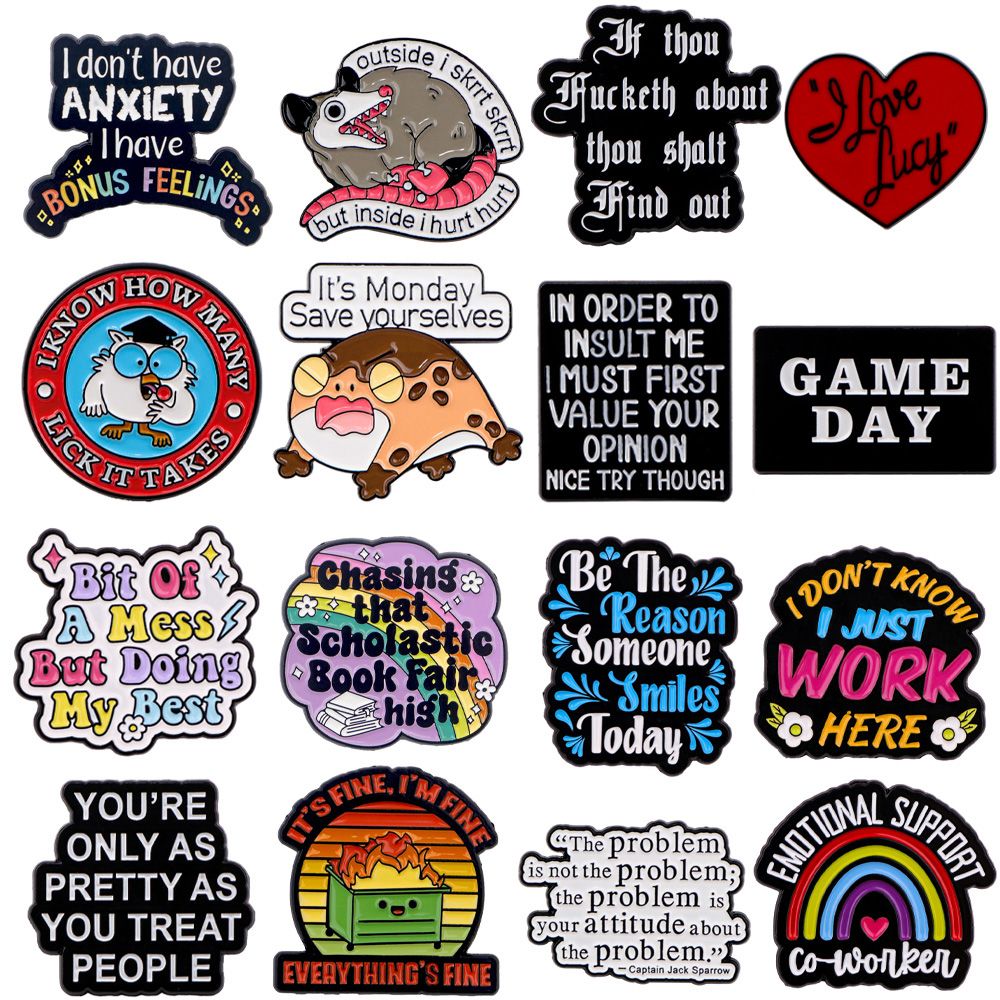
PU dispensing refers to applying liquid polyurethane on the surface of the product for dispensing, and forming decorative functions through natural curing / heat curing / UV curing, etc.
Products made through PU dispensing can achieve a three-dimensional effect with elasticity, anti-slip, wear resistance and scratch resistance.
Determine product requirements
We need to first understand the conditions required for product production.
1. Confirm the size, dimensions and color of the product
2. Confirm the hardness and softness of the product
3. Confirm the engineering design of the product
4. Confirm the purpose and usage scenarios of the product
5. Select the appropriate type of PU glue
6. Design the product and create the corresponding molds
Prepare PU raw materials
Put the A and B components of the PU glue into separate dedicated glue buckets. Check for any phenomena such as sedimentation, clumping, or impurities. If the glue is normal, it can be connected to the PU material barrel. Through settings, mix the PU glue evenly. At the same time, turn on the constant temperature device to control the temperature at 25 ± 3℃, ensuring stable production of the PU glue.
Soldering and coloring
The operator lays the product flat on the aluminum plate, checks that the product surface is free of oil stains, no damage, and no deformation. If the product is normal, the aluminum plate can be placed on the PU dispensing machine.
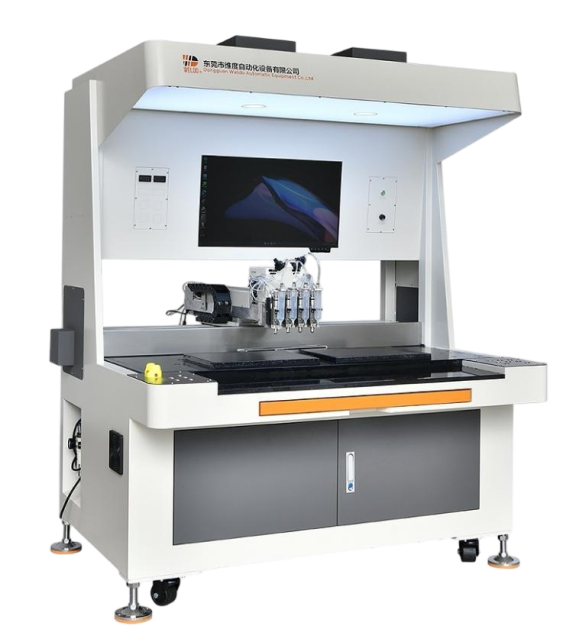
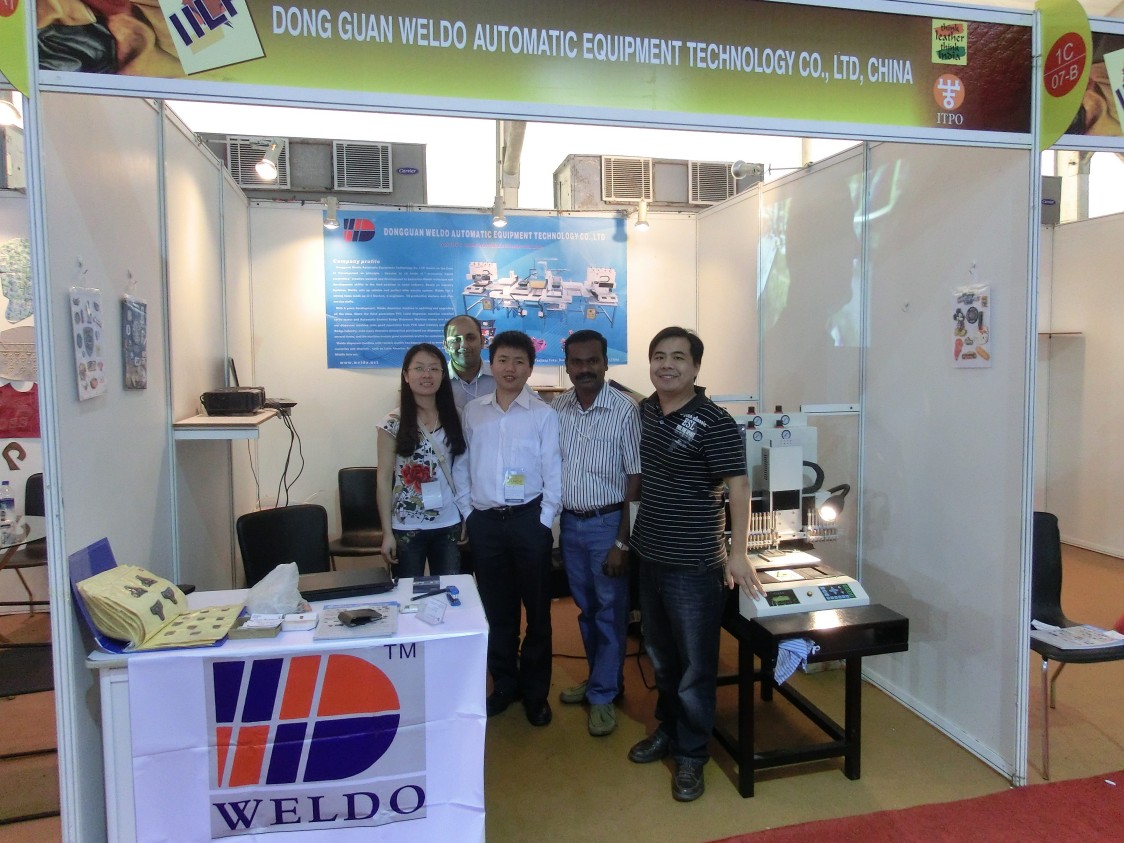
Using the point-and-coloring vision system of the WELDO PU Dispensing Machine, the operator positions the product, draws the point-and-coloring path, sets the parameters, and then conducts the test.
This
pu dispenser will start to apply point-and-coloring to the product according to the preset path.
Curing and drying Choosing the appropriate curing method is beneficial for the shaping of the product and can reduce the defect rate of the product.
Natural curing: Place the product on a horizontal table for 24 hours to prevent dust from falling. Once the product has naturally dried, it is ready.
Oven curing: Place the product in the oven tray, set the curing temperature and duration, turn on the oven and wait until the curing process is complete before removing the product.
UV curing: Place the product on a horizontal surface, turn on the UV lamp, set the curing time, and ensure that the UV light evenly spreads over the product for curing.
Quality inspection
Test the solidified products to check if there are any issues such as glue leakage, glue overflow, unclear edge lines, bubbles, or irregular shapes.
Finished product packaging
Ensure that the finished product has completely cooled down and the adhesive layer has fully solidified; the storage area should be kept dry and well-ventilated to prevent the products from getting damp or aging. Package and protect the qualified finished products to prevent any damage during transportation and storage.
It offers the flexibility we need for rapid prototyping while maintaining the consistency required for full-scale runs.
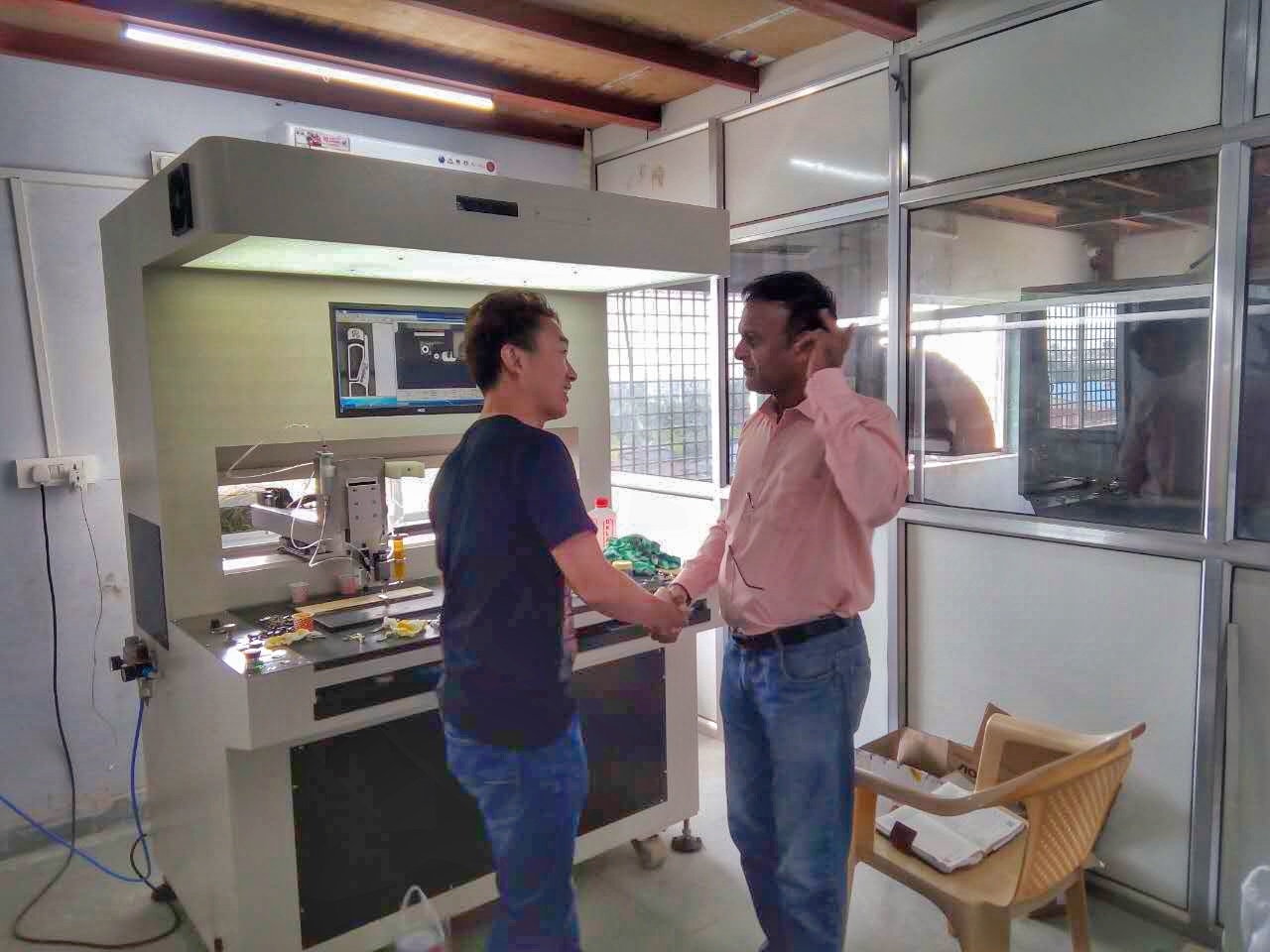
Your engineers provided excellent onsite training and remained available for remote support whenever needed.