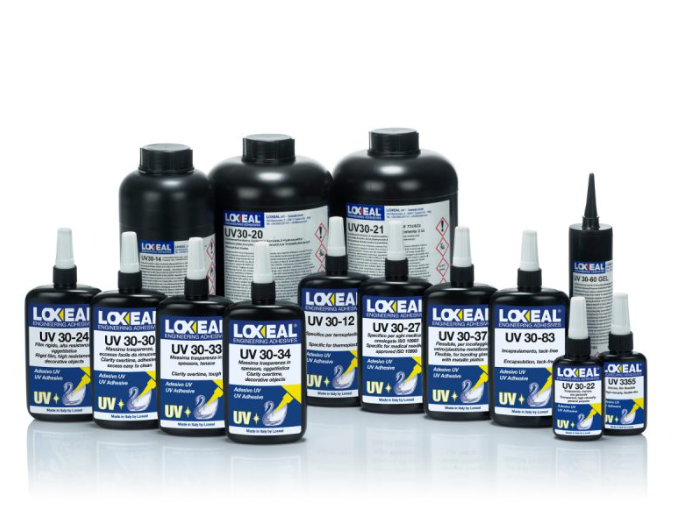
When using UV glue (ultraviolet curing glue) to manufacture products, it has the advantages of fast curing speed, high precision, clean appearance, environmental friendliness, stability, durability and environmental protection. But do you know what problems may arise when using UV glue to make products?
WELDO will list them in detail and provide solutions.
1. Surface not dry
The product has already been fully cured inside, but the surface feels sticky when touched.
Reason: The UV lamp power was too low during curing, the irradiation time was insufficient, the glue layer was too thick, and the wavelength of the UV light source did not match the UV glue.
Solution: Check the intensity of the UV lamp, extend the irradiation time of the product with the UV lamp, use a UV lamp source that is compatible with the UV glue, control the thickness of the glue layer, and perform a secondary irradiation on the surface of the product.
2. Internal non-drying
The product interior has not fully cured and there is still glue flowing.
Reason: The UV glue layer is too thick, the UV lamp penetration is insufficient, and the product has a shading structure design, resulting in the UV light not being able to reach it.
Solution: Layered application for spot gluing on the product, adding auxiliary light sources for illumination, and increasing side/ multi-angle irradiation.
3. Poor dispensing stability
There is an unstable phenomenon during the dispensing process of the product.
Reason: Fluctuation in air pressure of the dispensing machine, blockage of the needle, thickening of the glue viscosity, and failure to calibrate the dispensing machine.
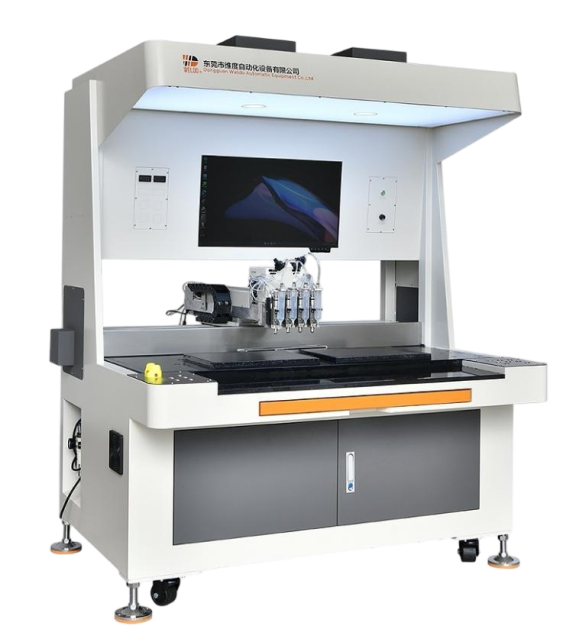
Our machine adopts a servo motor and ball screw guide structure, which enables the Visual Dispensing Machine to have high positioning accuracy and precise dispensing volume control.
This
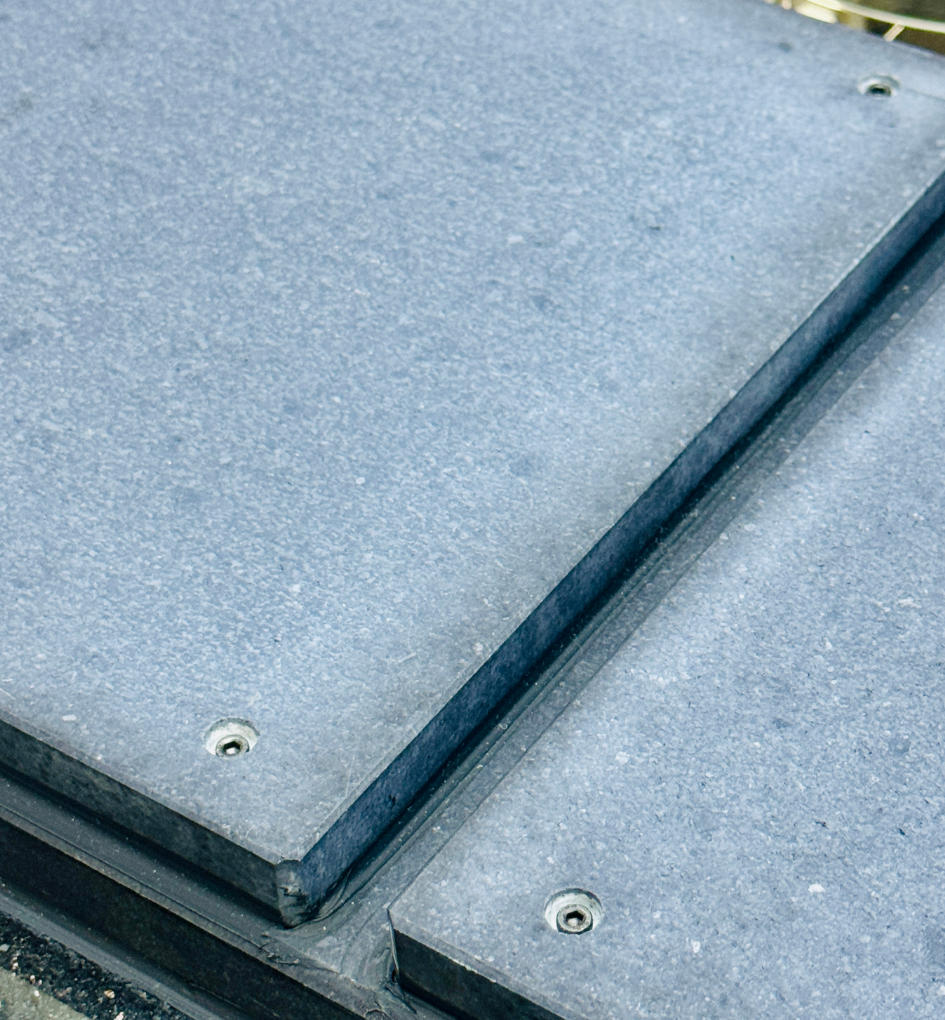
UV glue dispenser uses a marble base, which has high hardness, good rigidity, and a small thermal expansion coefficient. It can withstand a large load without deforming easily and is not sensitive to changes in environmental temperature. It can avoid dimensional errors caused by thermal expansion and contraction due to temperature differences in a wide temperature range.
At the same time, the Y module of our
hot melt adhesive dispensing systems adopts the principle of a stable triangle, with three triangles designed internally for support, greatly increasing the strength of the module and reducing the risk of deformation, ensuring that the equipment will not undergo slight deformation due to unstable mechanical components during high-speed operation, and preventing the decline in accuracy.
4. Air bubbles were found after dispensing
After the dispensing process was completed, air bubbles were observed inside the product.
Reason: Air was introduced during the mixing of the UV glue, the dispensing speed was too fast, or there was moisture/oil on the product surface.
Solution: Before dispensing, vacuum the UV glue first, control the dispensing pressure of the WELDO UV Glue Dispensing Machine, inspect and clean the product before dispensing, and use a lower viscosity glue.
5. Product glue leakage and overflow
After the dispensing process is completed, observe that the product shows glue leakage or overflow.
Reasons: The viscosity of the UV glue is too low, the amount of UV glue dispensed is not accurately controlled, the product structure lacks a glue-blocking design, and the curing time is too slow.
Solution: Select a high-viscosity UV glue, use WELDO's UV Glue Dispenser to precisely control the amount of UV glue dispensed, change the product structure to add a glue-blocking design, and pre-cure the product.
6. The product turns yellow after curing
When the product undergoes curing and turns yellow.
Reason: Excessive UV lamp power, poor yellow resistance performance of the UV glue, long-term exposure to ultraviolet rays, aging after high-temperature curing.
Solution: Select UV glue formulations with higher yellow resistance, control the output of the UV lamp power, and conduct more aging tests to verify the results.
7. Shrinkage and deformation after solidification
When the product has been fully cured, the phenomenon of product shrinkage and deformation occurs.
Reason: The UV glue shrinks in volume during curing, the UV lamp does not illuminate uniformly, and the curing is done on one side.
Solution: Use UV lamps on both sides/multiple sides for irradiation, modify the UV glue formula, and design the product structure to reserve more space to provide for shrinkage.
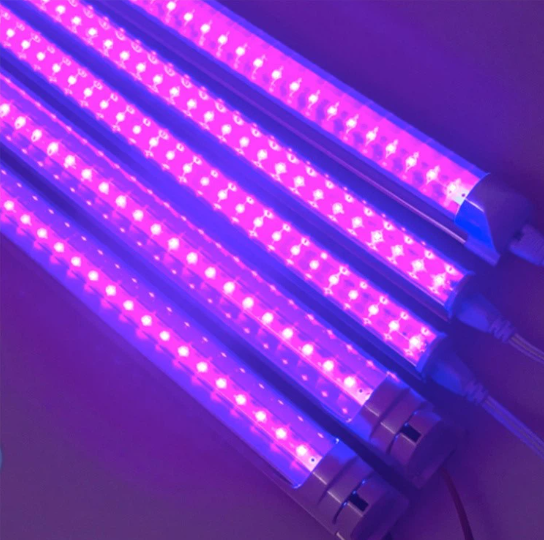
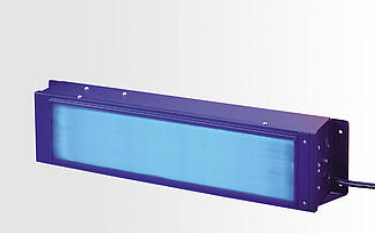
8. UV Light
Reason: The lamp tube is aging but not noticeable, the light intensity distribution is uneven, the lamp wavelength does not match (commonly 365nm, 395nm)
Solution: Regularly use an UV energy meter for detection, replace the lamp tube regularly, confirm that the glue is compatible with the wavelength.
9. Environmental Factors
Reasons: Changes in humidity affect the adhesion of UV glue, low temperature results in poor fluidity of the glue, and high temperature causes the UV glue to run down, and rapid curing.
Solution: Temperature: 20–28℃, Humidity: 40–60%
10. Storage Issues
It was discovered that there were problems when using the UV glue.
Reason: The UV glue cures prematurely upon exposure to light, deteriorates due to excessive storage temperature, and absorbs moisture from the air after being opened.
Solution: Store the UV glue in a dark place, refrigerate it (at 5–10℃), and use it as soon as it is opened.
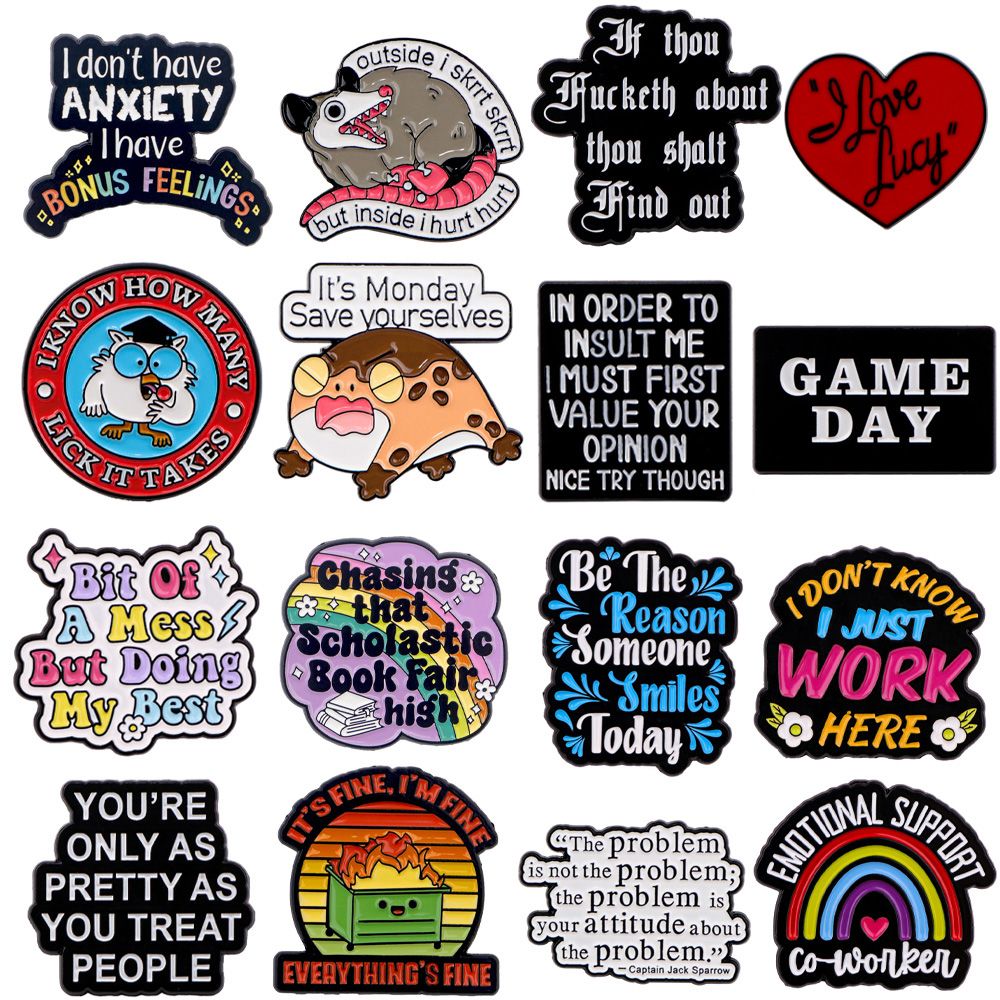
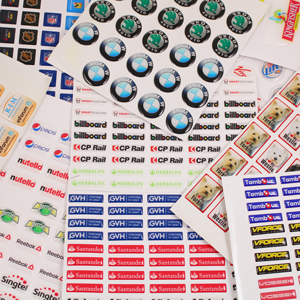
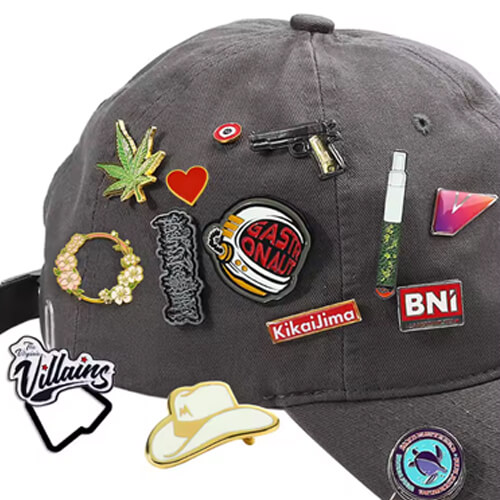
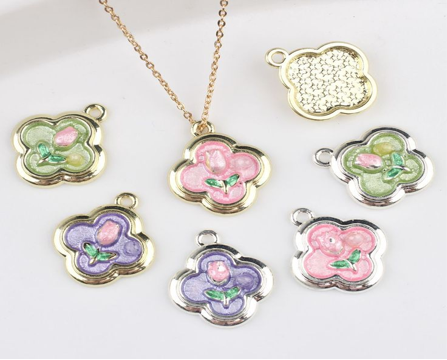
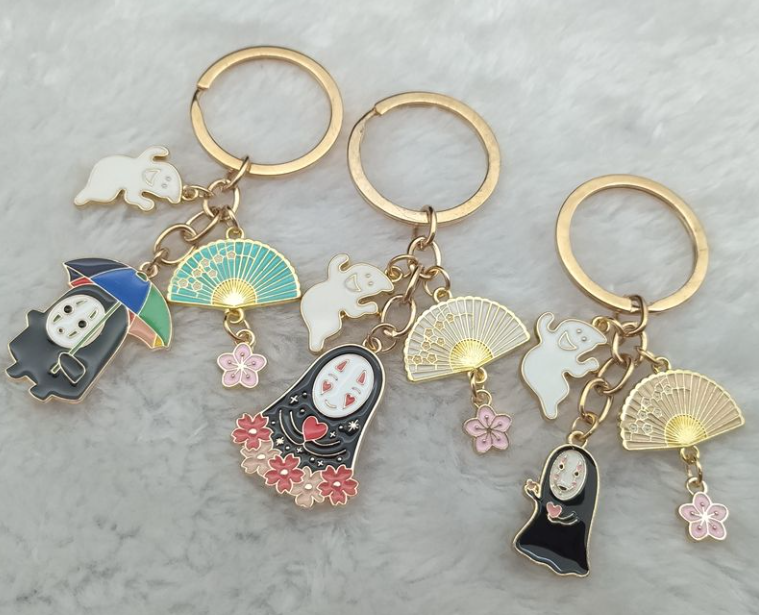
We have a customer from Canada who produces drop-gel nameplates using UV glue. We recommend that he use a visual dispensing machine witha 2 Component Screw Valve, so that their drop-gel nameplates can achieve the effect of thin and flat uniform glue, strong adhesion, and clear filling of the edge boundaries.









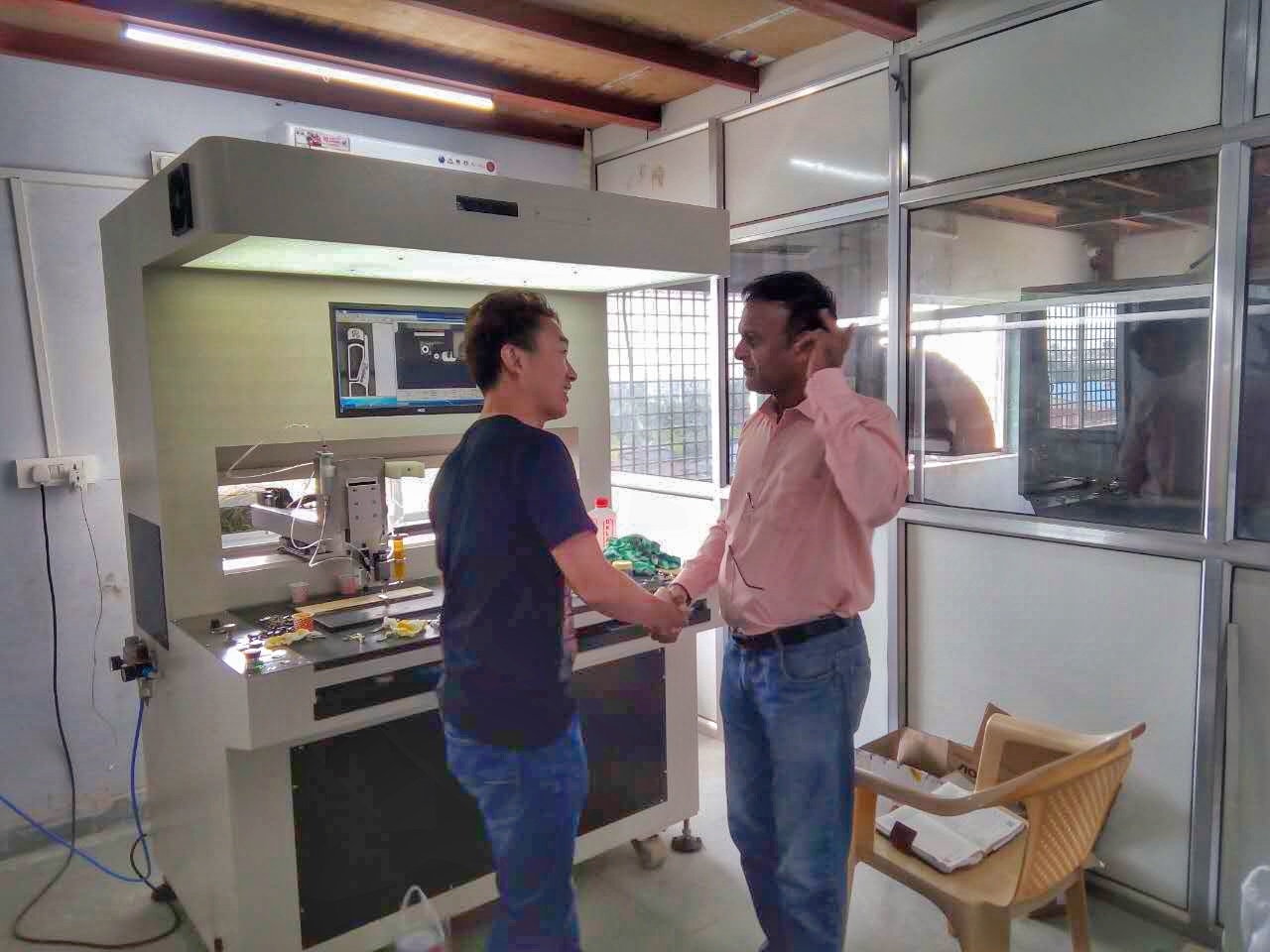










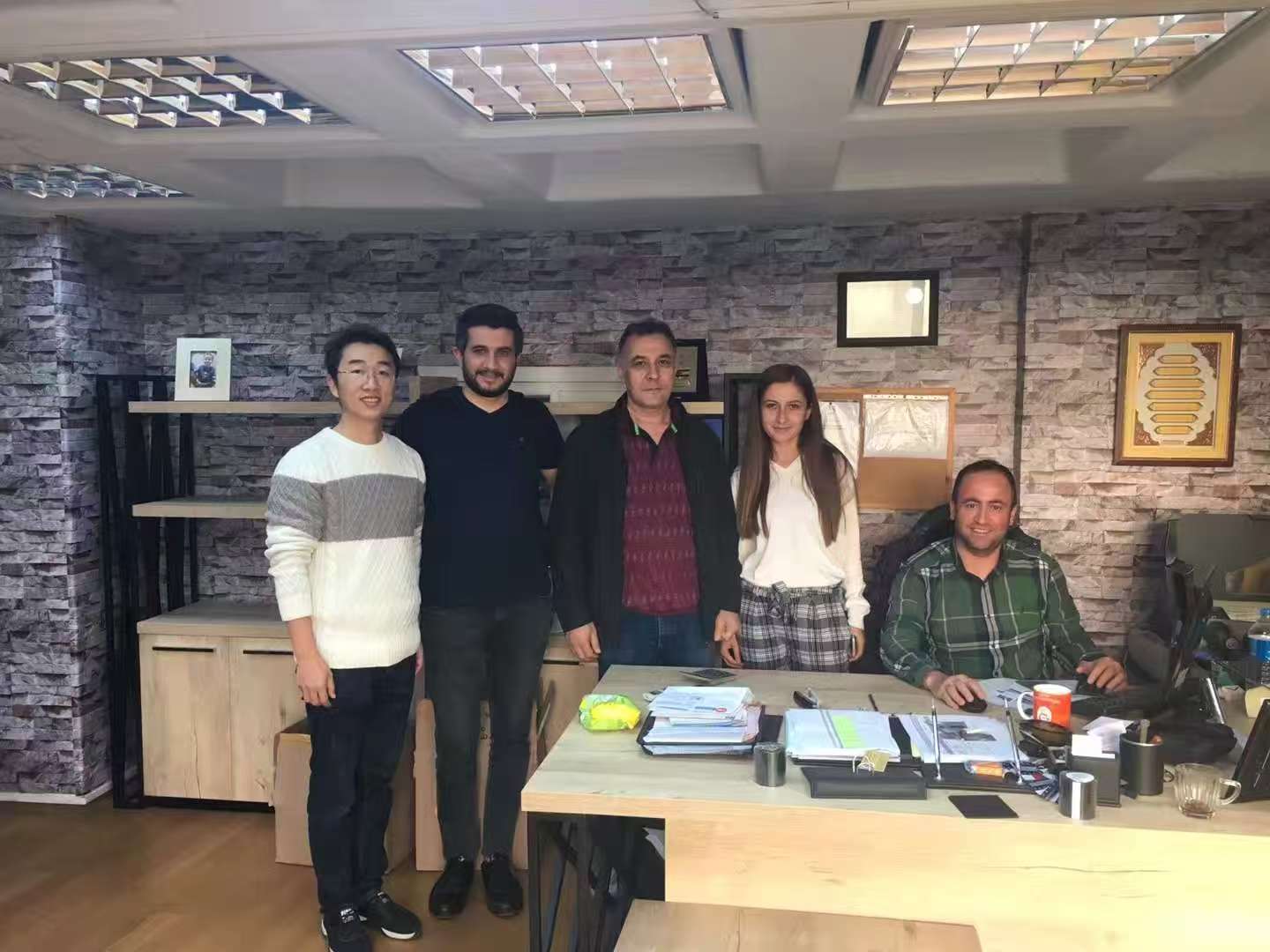


It offers the flexibility we need for rapid prototyping while maintaining the consistency required for full-scale runs.
Your engineers provided excellent onsite training and remained available for remote support whenever needed.