


Whatsapp

I. Primary Applications of Vacuum Pumps and Vacuum Tanks
PVC paste made of PVC resin, plasticizers, color pastes, additives,that easily traps air during mixing or stirring, causing surface unevenness, pinholes and porosity that reduce quality and yield.
The vacuum system creates negative pressure to make bubbles rise, burst and dissipate, eliminating defects, improving yield, and enhancing product smoothness, color uniformity and structural density.
II. Applicable Scenarios of Vacuum Pump and Vacuum Barrel
The vacuum pump and vacuum barrel are suitable for the whole process of PVC drip molding. Whether it is small batch hand made production or large batch factory mass production, as long as it involves defoaming and shaping of PVC paste, it is indispensable. The specific scenarios are as follows:
1.Small Batch Manual Production: For small items such as keychains, small nameplates. Equipped with a mini vacuum pump and 5–10L tank, compact and easy to operate for beginners.
2. Application Scenario: Small to Medium Sized Factories
For batch production such as nameplates, toy accessories, garment hardware. Uses a standard pump and 15–30L tank , suitable for manual or semi automatic operations, balancing efficiency and cost.
3. Application Scenario: Large Scale Production Lines
For mass products such as oversized bar mats, automotive floor mats, footwear parts. Equipped with industrial grade pump and 40–60L tank, integrated with automated machines for 24/7 continuous operation, ensuring high efficiency and quality.
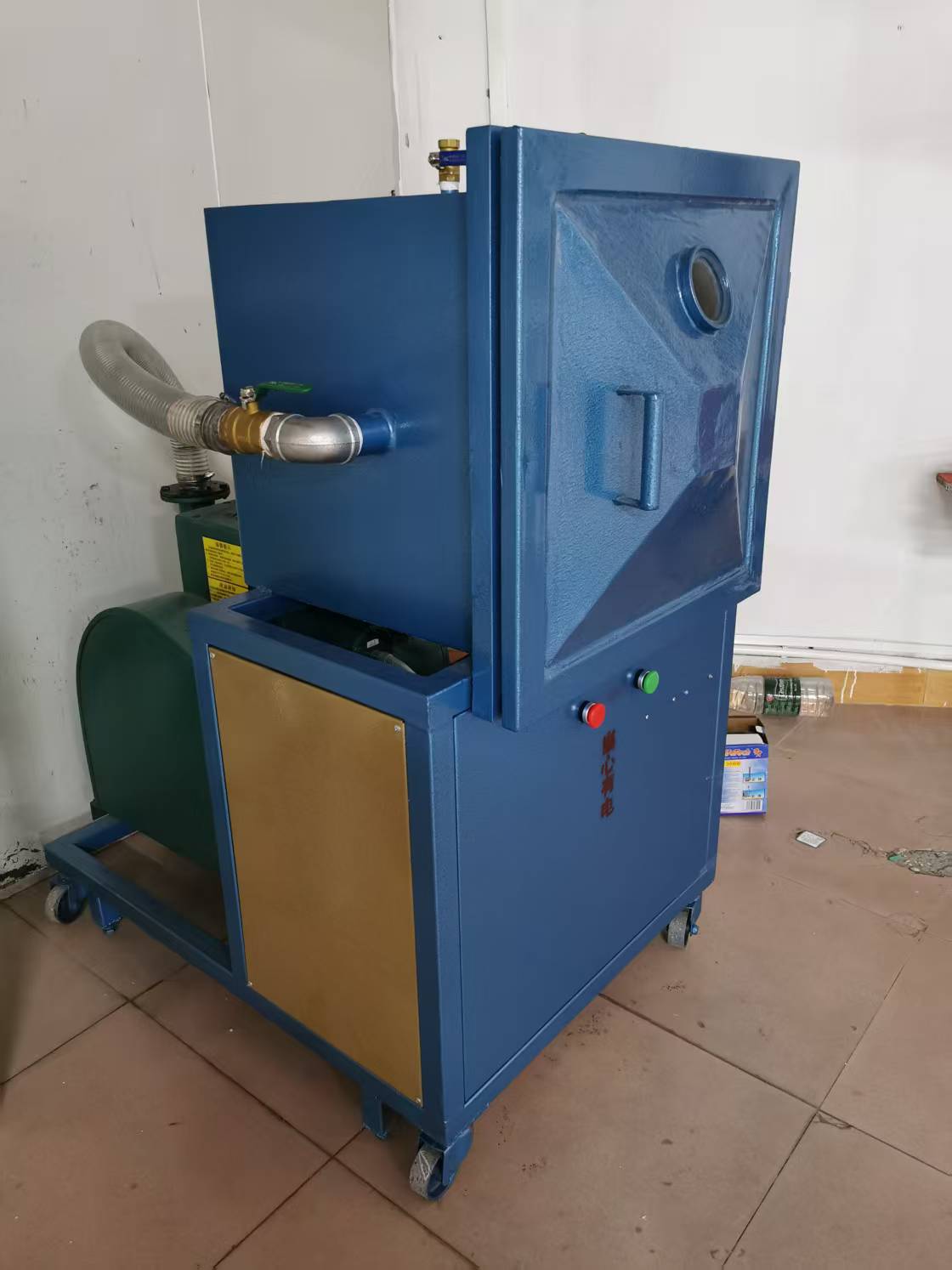
III. Standardized Operation Process of Vacuum Pump and Vacuum Barrel in PVC Drip Molding ,It isEasy to Understand, Beginners Can Follow
The operation process is divided into four steps: "preparation, paste defoaming, dripping molding and post cleaning". The whole process is simple and easy to operate, no professional training is required. It is important to pay attention to sealing and vacuum degree control to avoid damaging the equipment or affecting product quality.
Step 1: Preparations
Equipment inspection is Turn on the vacuum pump and vacuum barrel, check whether the sealing gasket of the vacuum barrel cover is intact and undamaged, whether the valve is closed tightly, whether the oil level of the vacuum pump is normal ,oil vacuum pump, and whether the pipeline is connected firmly and without air leakage to ensure that the equipment can operate normally.
Paste preparation is Slowly pour the uniformly mixed PVC paste with color paste, plasticizer and other auxiliary materials added, into a clean container, avoid violent stirring to mix air again; control the paste temperature at 25-30℃ ,too high temperature is easy to produce bubbles, too low fluidity is poor.
Mold preparation: Clean the PVC drip molding mold to ensure that the mold surface is free of oil and impurities. A small amount of release agent can be applied on the mold surface to facilitate subsequent demolding, and the mold can be placed stably on the operating table.
Step 2: Paste Defoaming
When Pour the paste,You should Slowly pour the prepared PVC paste into the vacuum barrel. The amount of paste poured shall not exceed 2/3 of the volume of the vacuum barrel to avoid paste splashing during defoaming. After pouring, gently shake the vacuum barrel to make the paste evenly distributed.
Seal the barrel tightly, close all exhaust valves to prevent air leakage.
How to Start the vacuum pump: Turn on the power supply of the vacuum pump and start extracting the air in the vacuum barrel. Initially, the vacuum degree can be adjusted slowly to avoid paste splashing caused by too high vacuum degree; after the paste surface is stable, adjust the vacuum degree to -0.08~-0.1MPa the best vacuum degree for PVC drip molding.
Defoaming time:3–5 minutes for conventional paste; 5–8 minutes for high-viscosity paste, until no bubbles.
Release vacuum: Open exhaust valve slowly, open the barrel after pressure returns to normal.
Step 3: Dripping Molding
Paste dripping that Use a glue dropping pot or semi-automatic drip molding machine to slowly drip the defoamed PVC paste into the prepared mold. Keep a constant speed during dripping to avoid bubbles caused by too fast dripping speed. Ensure that the paste fills every detail of the mold, and the surface of the paste is flush with the mold mouth ,do not overflow.
Secondary defoaming that If a small amount of air is accidentally mixed in during dripping, the mold with paste can be put into the vacuum barrel as a whole, and vacuumized again for 1-2 minutes to completely discharge residual bubbles and improve product quality.
Vulcanization molding is Put the mold with the dripped paste into the vulcanizing machine, and set the appropriate temperature usually 150-180℃ and 5 to 10 minutes according to the characteristics of PVC paste for vulcanization molding to solidify the paste.
Step 4: Post cleaning
Equipment cleaning that Open the vacuum barrel, wipe the inner wall of the barrel and the sealing gasket with a clean cloth to remove the residual PVC paste ,uncured paste can be directly wiped, and cured paste can be cleaned with a special cleaner,to ensure that there is no residue or stain in the barrel.
Vacuum pump maintenance: Turn off the power supply of the vacuum pump, check the oil level of the vacuum pump oil vacuum pump, if the oil level is too low, add special vacuum pump oil in time; the oil free vacuum pump does not need to be refueled, just clean the impurities at the air inlet to avoid blockage.
Storage: Place the cleaned vacuum barrel and vacuum pump in a dry and ventilated environment, close all valves, cover the barrel cover, avoid dust and sundries entering the equipment, and extend the service life of the equipment.
IV. Operation Notes
1. Optimal vacuum range: -0.08 to -0.1 MPa .Because too high causes splashing; too low incomplete defoaming.
2. Maintain paste temperature at 25–30℃
3. Check vacuum chamber seal before use to prevent air leakage.
4.Clean equipment immediately after use
5. During operation,Avoid dry running of the pump; avoid paste contact with skin
Summary: The vacuum pump and vacuum barrel are indispensable equipment in PVC drip molding production. Their core function is to remove bubbles in PVC paste and improve the quality and qualification rate of finished products. Whether it is small batch hand made production or large batch factory production, as long as the above operation process is followed, flawless and full texture PVC drip molding products can be easily made, which is simple to operate and highly practical.
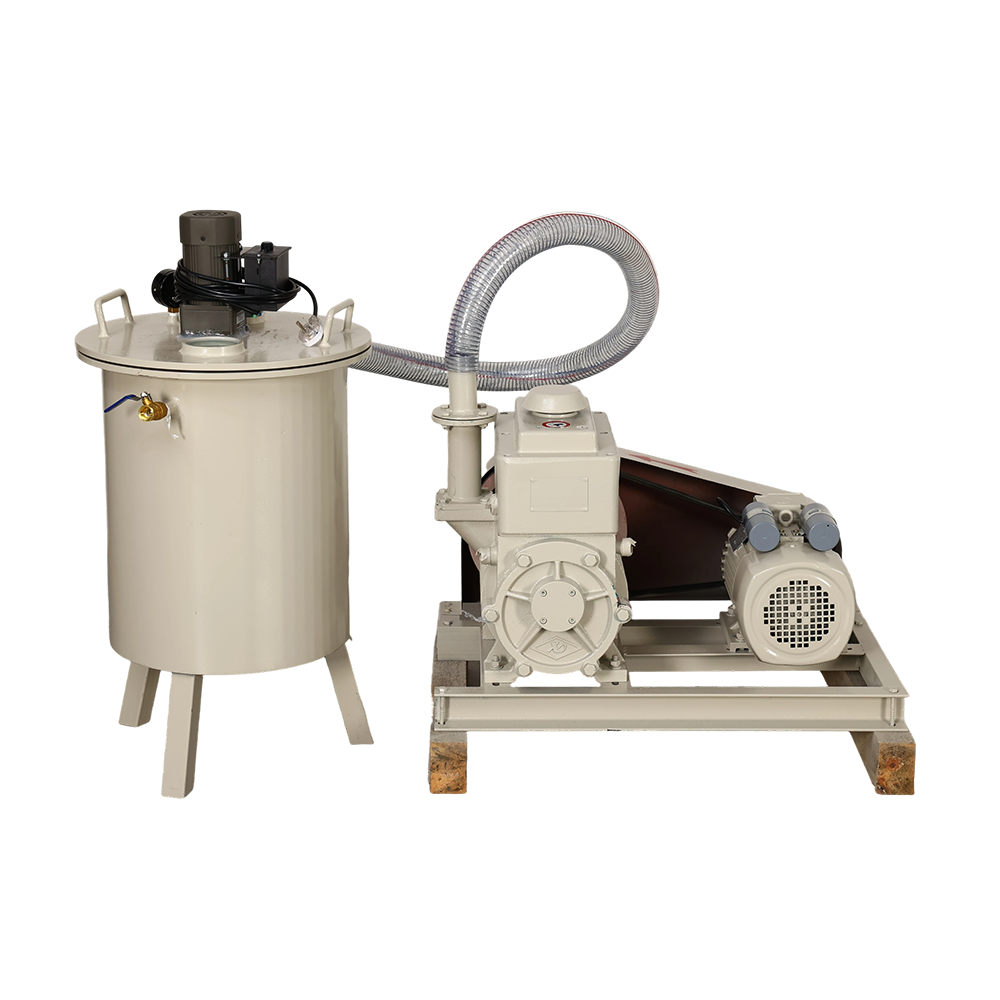
WELDO
Vacuum Pump and Vacuum Mixing Barrel
PVC dispensing machine factory
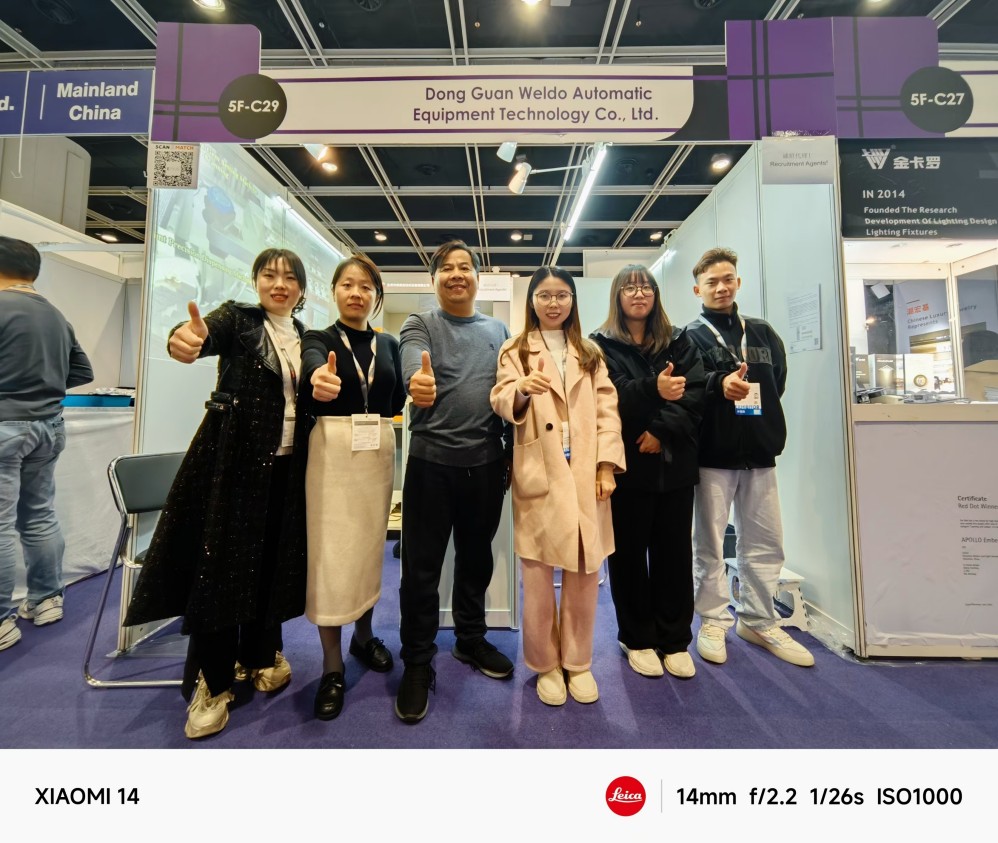
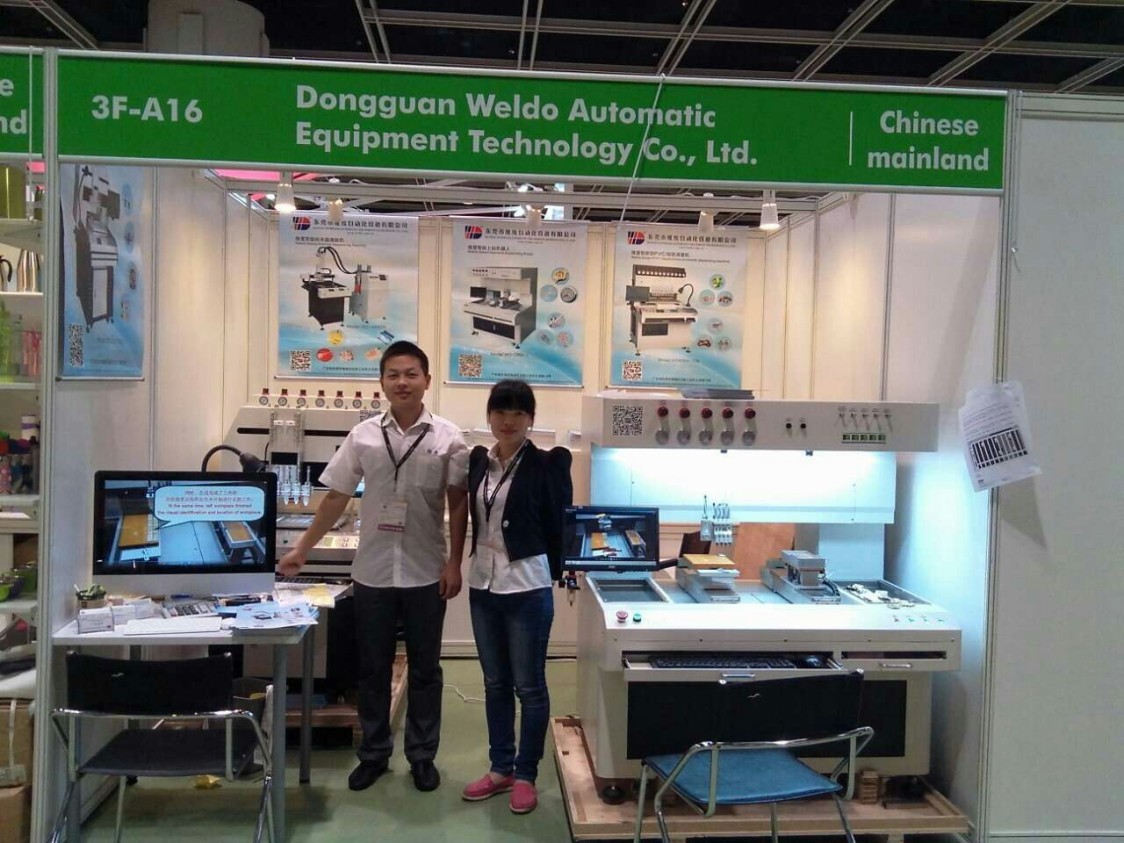
factory

Application

PVC Patch

PVC shoe upper
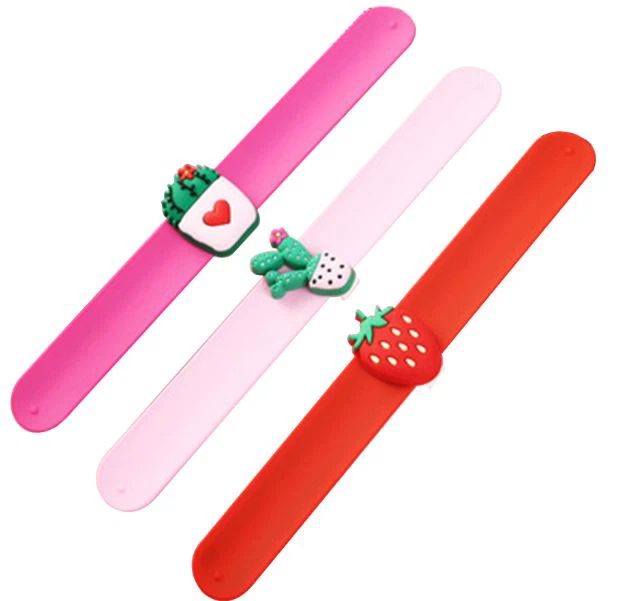
PVC wristband

PVC LABEL
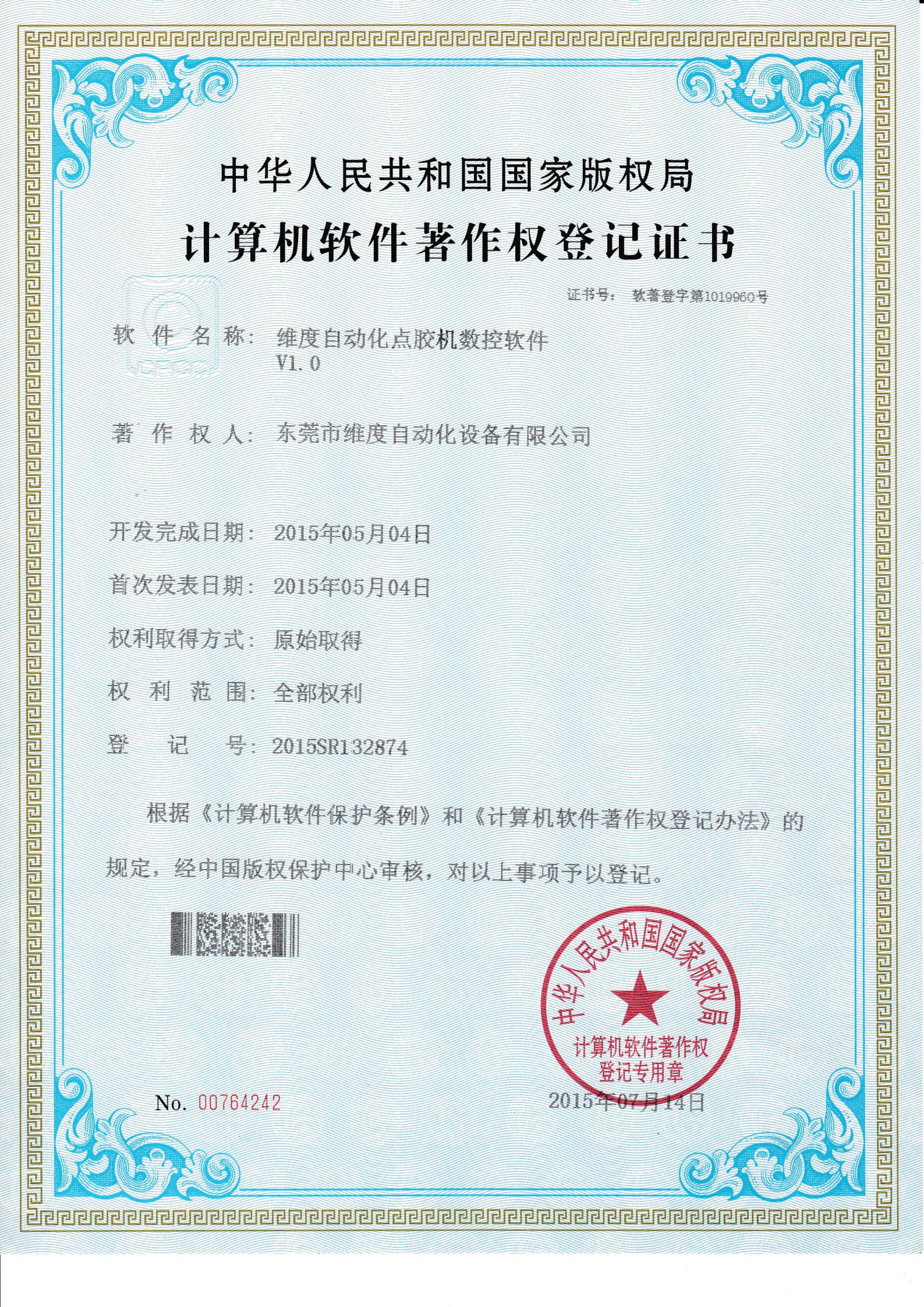
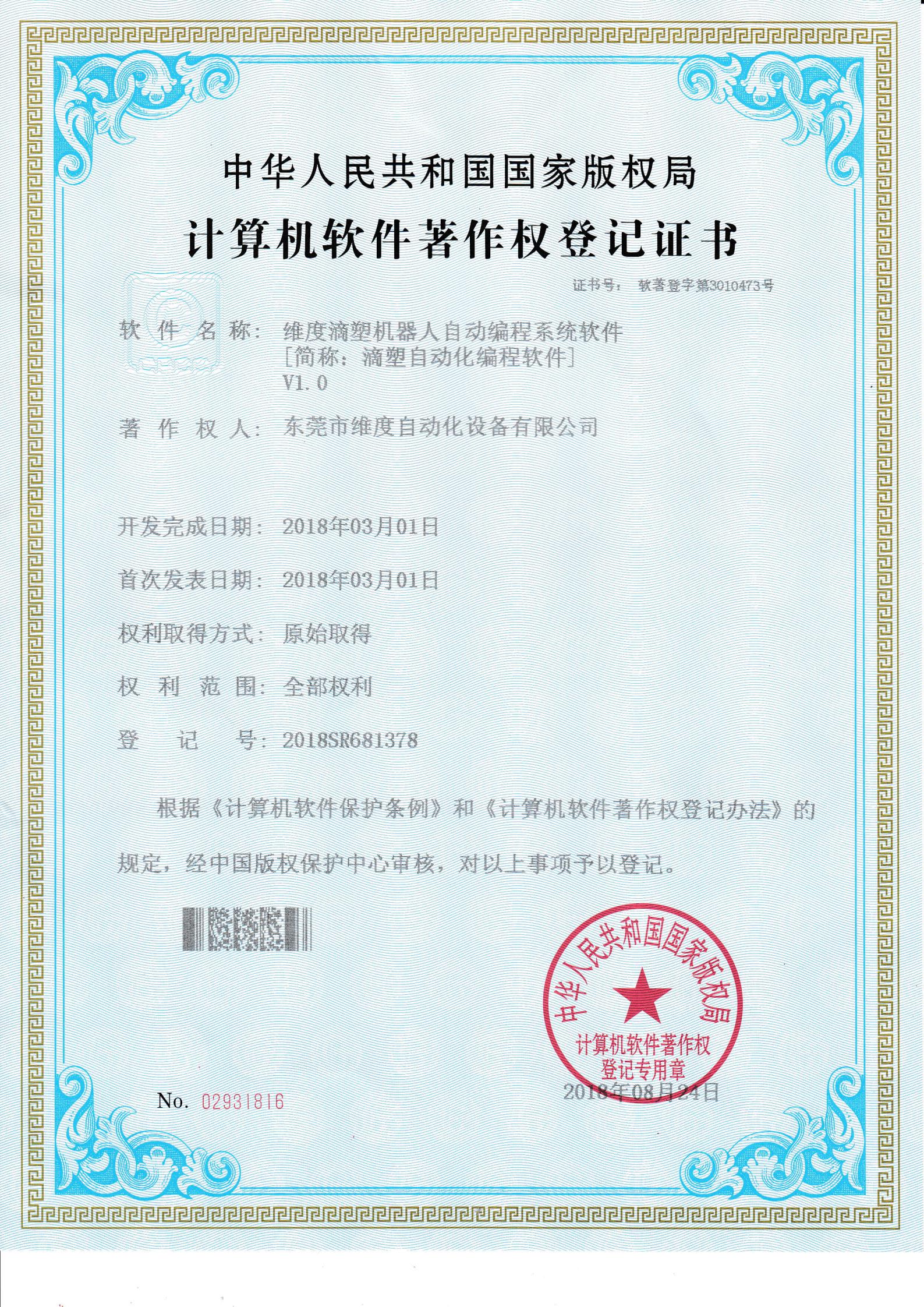
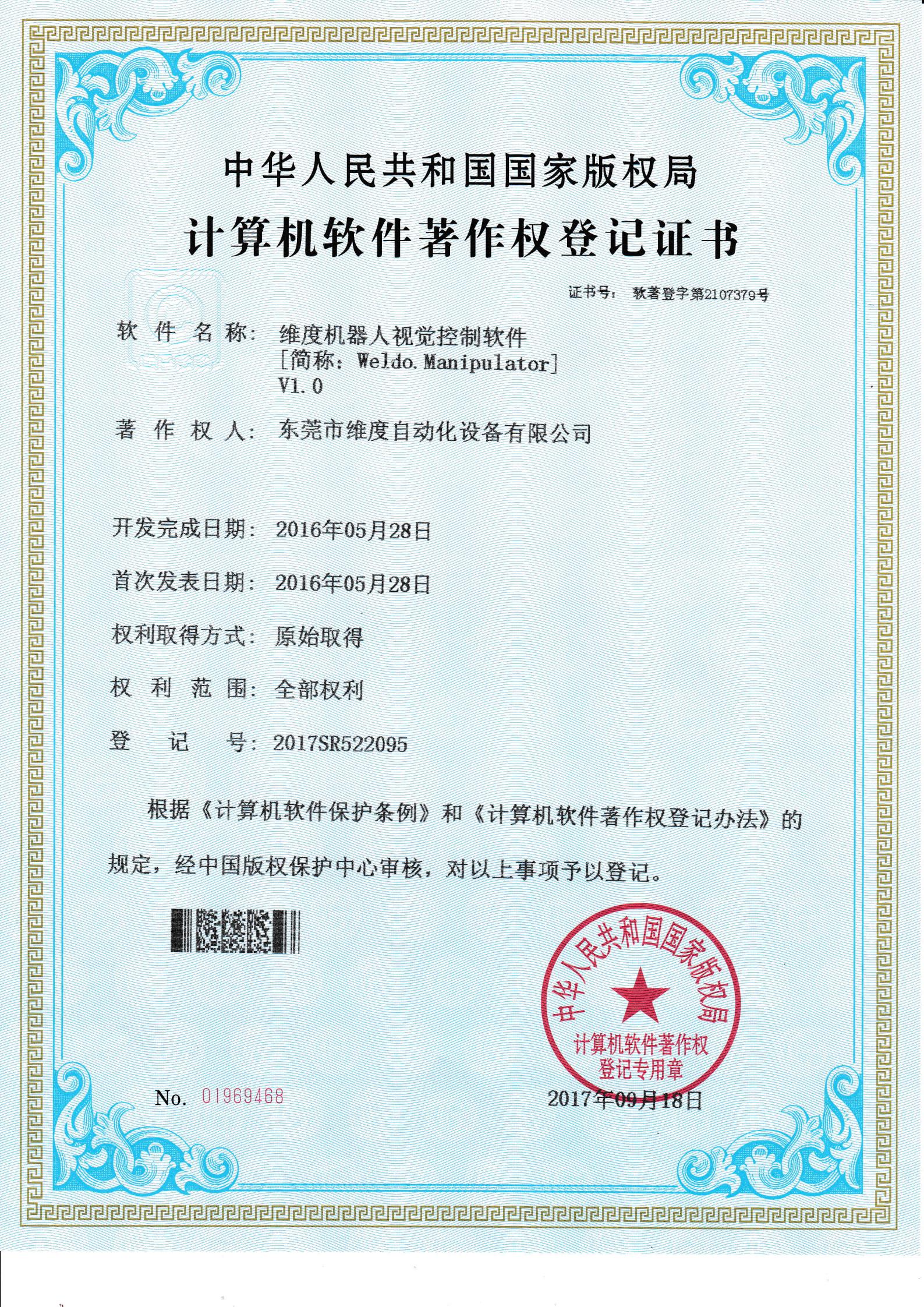
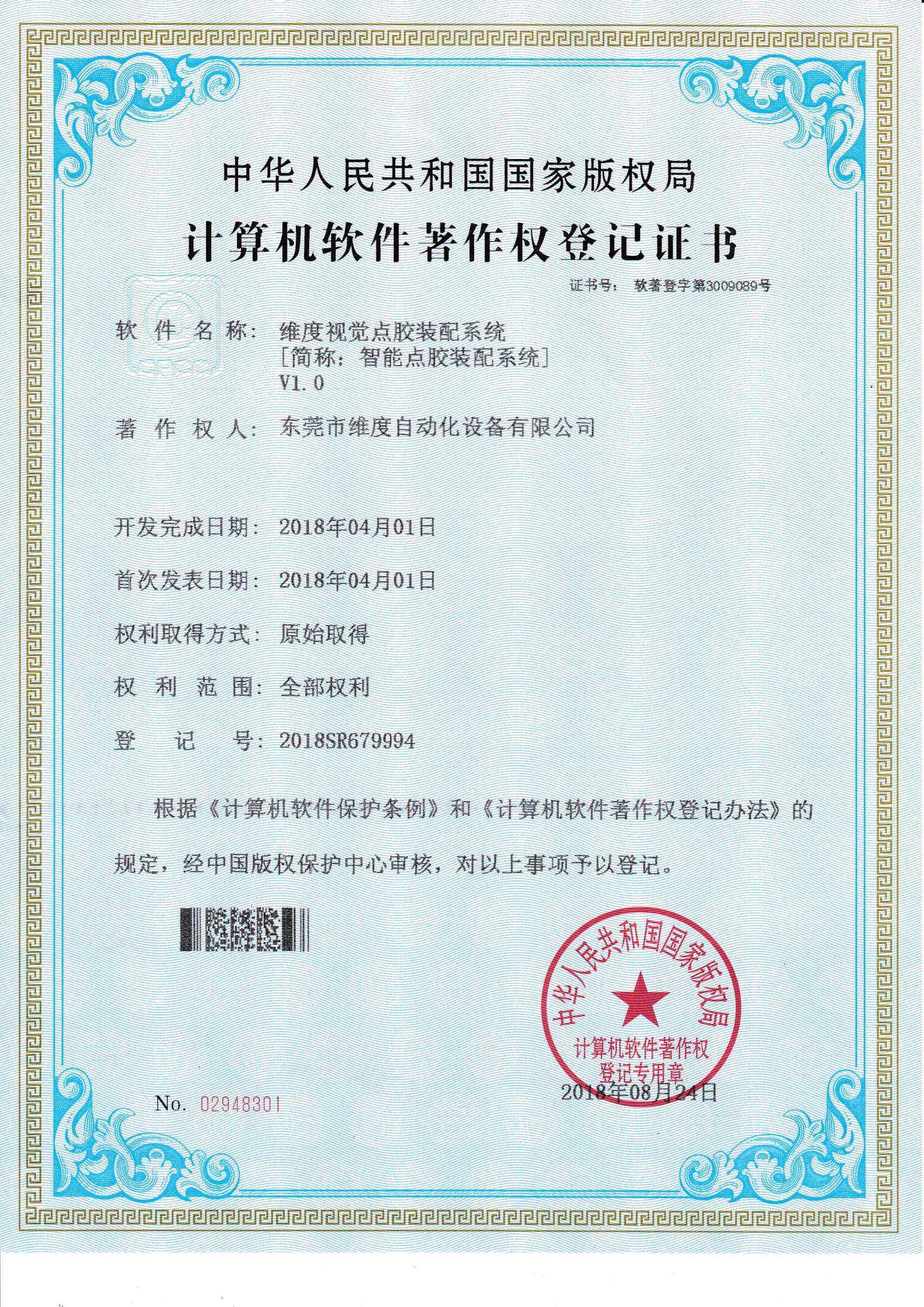
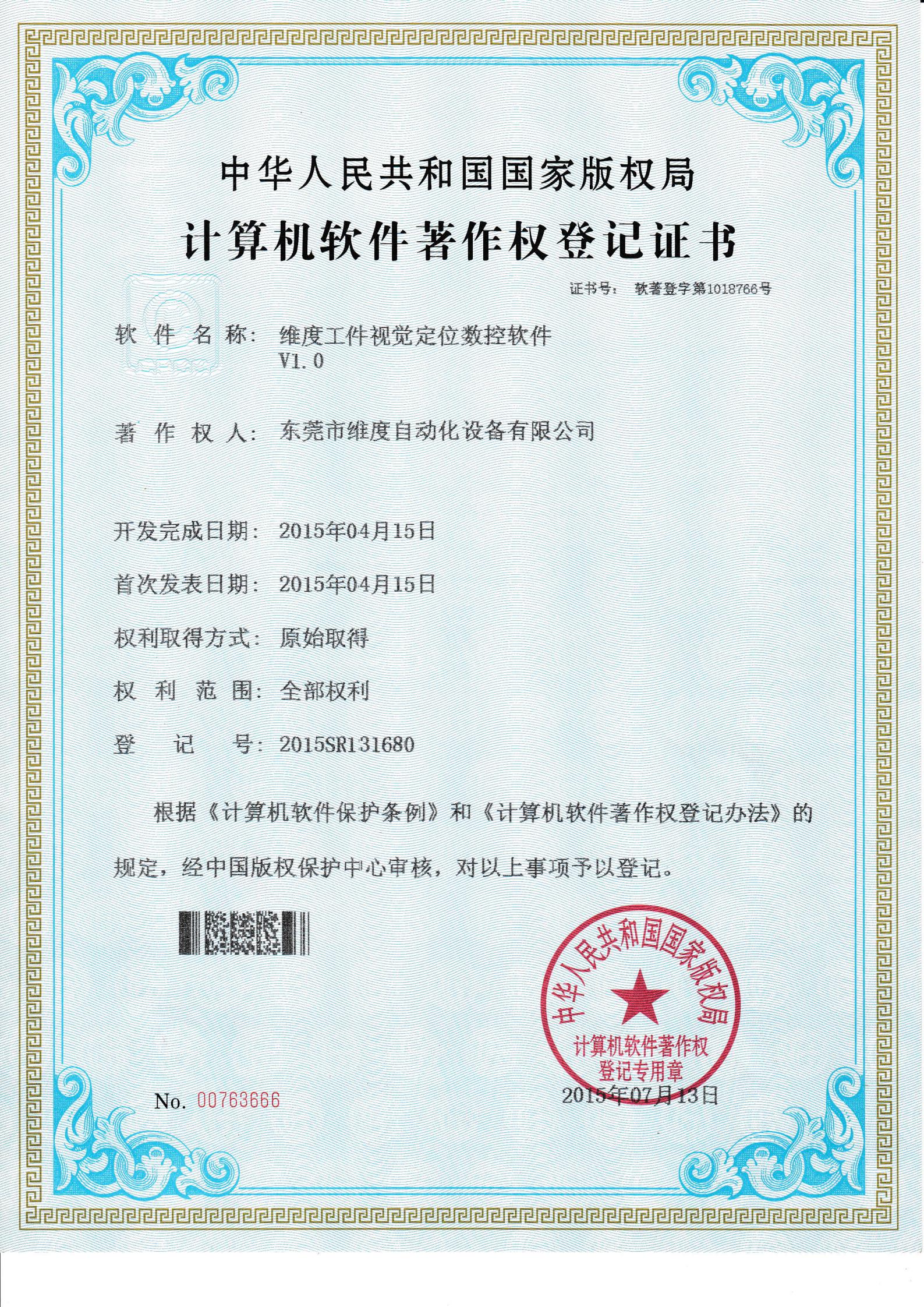
Certificate
WELDO
Our company
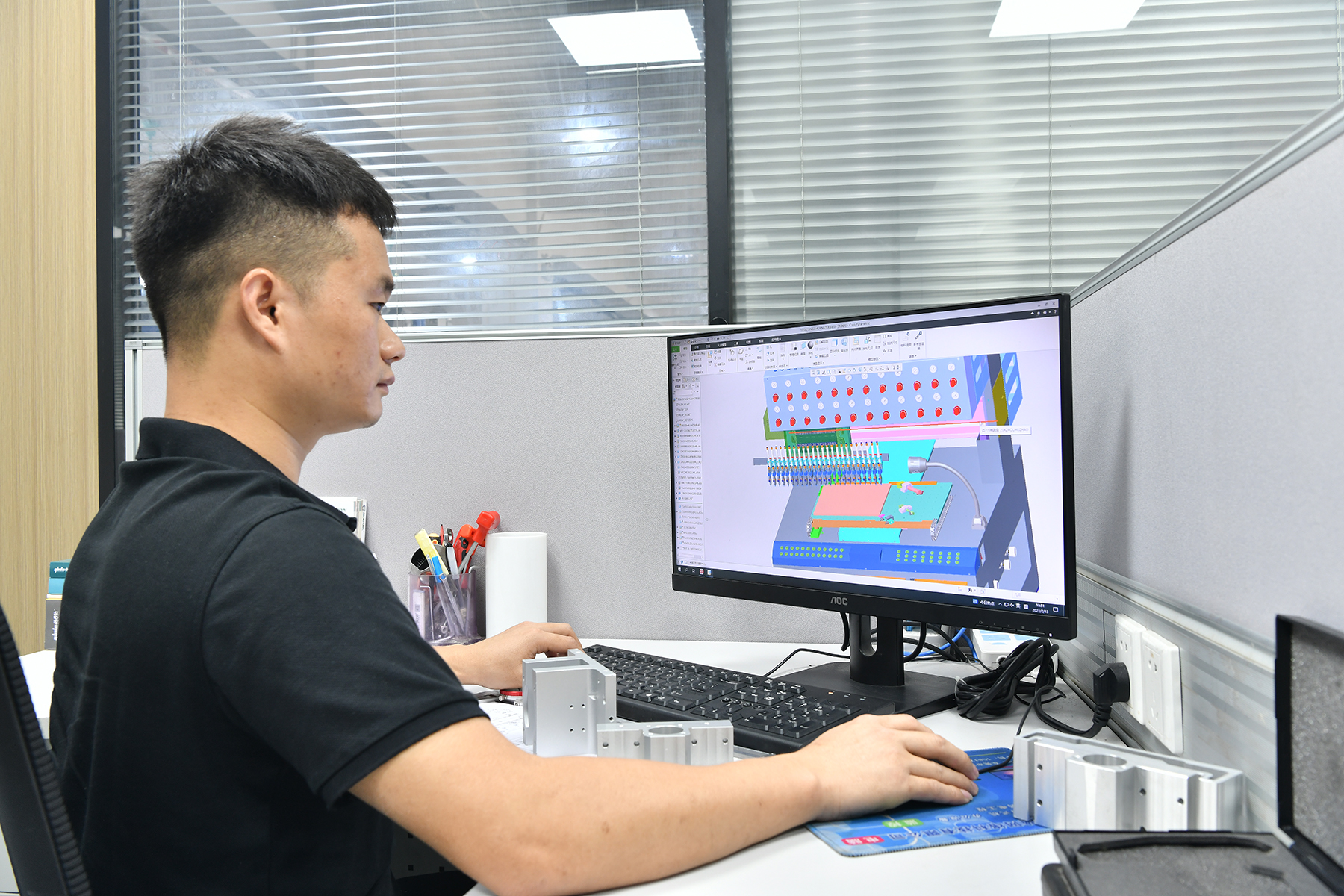

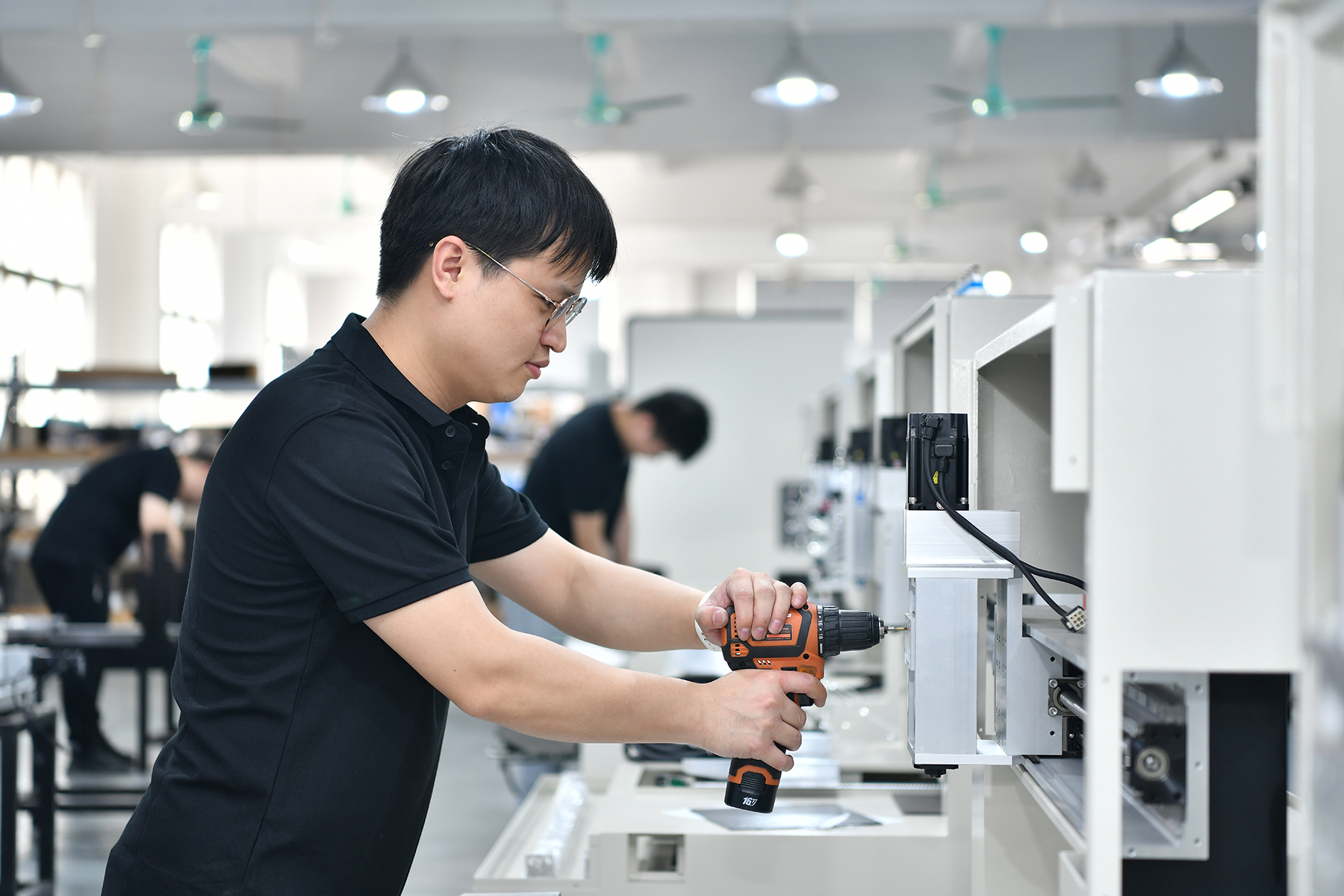
 WELDO was founded in 2007 and relocated in 2010 to Dongguan, a city renowned as the “World’s Factory.” As a national high-tech enterprise, the company boasts a highly qualified team — over 50% of...
 Subscribe Our Newsletter
Related Products List

Privacy statement: Your privacy is very important to Us. Our company promises not to disclose your personal information to any external company with out your explicit permission.
Fill in more information so that we can get in touch with you faster
Privacy statement: Your privacy is very important to Us. Our company promises not to disclose your personal information to any external company with out your explicit permission.

Your team is professional, patient, and highly experienced in the PVC industry.
These machines are well-designed, easy to operate, and suitable for continuous production.
Even after shipment, you continue to provide detailed guidance and follow-up services.
We would not hesitate to recommend your company to other companies looking for reliable PVC production equipment.